
Whilst we may not typically experience extreme weather in the UK, a significant amount of property damage can still be caused by high winds, plummeting temperatures and heavy rain.
Most climate projections have indicated that winter storms are going to become more frequent and intense, so it’s better to start protecting your windows sooner rather than later. It’s not just exclusive to winter either, as the British summertime has a habit of bringing less than ideal weather.
Weatherproofing windows is key, as it helps to protect your commercial property from the elements for added peace of mind, and improves energy efficiency, which can significantly lower your energy bill.
However, before you start weatherproofing your windows, you need to be sure which windows might need keeping an eye on, to check if there are any issues that might be impacting their performance. Look for weak points like visible cracks or gaps around the window frame, sudden difficulties closing or opening your windows, or draughts – try running your hand around the window to see if you can feel cold air getting in.
If you spot what appear to be significant issues with your windows, like inadequate materials, obvious damage, poorly fitted frames or condensation, weatherproofing might not be enough. When in doubt, get a specialist in to check your windows, as no amount of weatherproofing can secure a window that needs replacing.
Haven’t spotted anything that needs immediate attention? Here’s our top tips on protecting your windows in inclement weather.
Protecting windows from wind
High winds can cause windows to weaken and shatter, typically from stress to the window caused by pressure changes, or by being hit with debris. We may be lucky enough not to face hurricanes in the UK, but that’s not to say that wind can’t damage your windows.
Before anything else, you should make sure that the area outside your building is free from debris that could be turned into projectiles. Nearby trees and branches – especially dead or overhanging branches – should be kept cut back, as high-speed winds can send them smashing into windows.
Some people suggest taping their windows during high winds, but this is a myth, and a dangerous one at that. Not only does it not offer any protection from debris, but it can actually cause the glass to break into larger pieces, which is extremely dangerous.
The only safe way to keep the shards together is by applying a protective window film. Window films add an extra layer of security to windows and improve the structural integrity by holding the glass in place in the event of an impact. Not only does this prevent your building being exposed to the elements in case of a breakage, but it prevents injuries that would be caused by flying glass fragments.
As well as offering safety film, OVAGLAS can provide further protection to your windows with a flexible anchoring system, a unique glass containment anchoring system that has achieved the highest performance rating of any glazing retention system in the world.
Protecting your windows from rain
Spotted water leaking through your windows after heavy rain? Before anything else, you’ll need to assess the severity of the damage to your windows. If there seems to be any structural problems, like cracks around the window, or the frame seems to be improperly fitted or worn down, you’ll need to get a specialist in to assess the issue.
However, the majority of window leaks are caused by damage to the sealant. If the windows generally seem in good shape, with no obvious cracks, it’s probably missing or damaged sealant that’s letting rain creep in. Sealant is specifically designed to fill small gaps and cracks, preventing water or air getting in, but over time it can break down. If you feel certain that the rain is getting in through a spot on your window frame and the damage is only minor, you might be able to fix it yourself.
Once you’ve spotted the area that is causing the leak, clean the area thoroughly to get rid of any grime and dirt. A silicone-based sealant is generally the best option for window frames, as it’s water resistant. Apply the sealant carefully around the perimeter of your window frame, before smoothing it down for a secure finish. For larger gaps, an expandable foam sealant may be your best bet. It’s important to note that these sealants can only be used for stationary window cracks – moving window sashes will need to be treated with weatherstripping tape.
If you have any doubts, call in the professionals! Water damage can be severe, leading to rot and structural issues, so if the leaks are persistent, you might need new windows fitting.
Protect your windows from the cold
Gaps in the window frame can also let the cold air in, so methods like weatherstripping or sealants can also help to protect your windows from minor draughts.
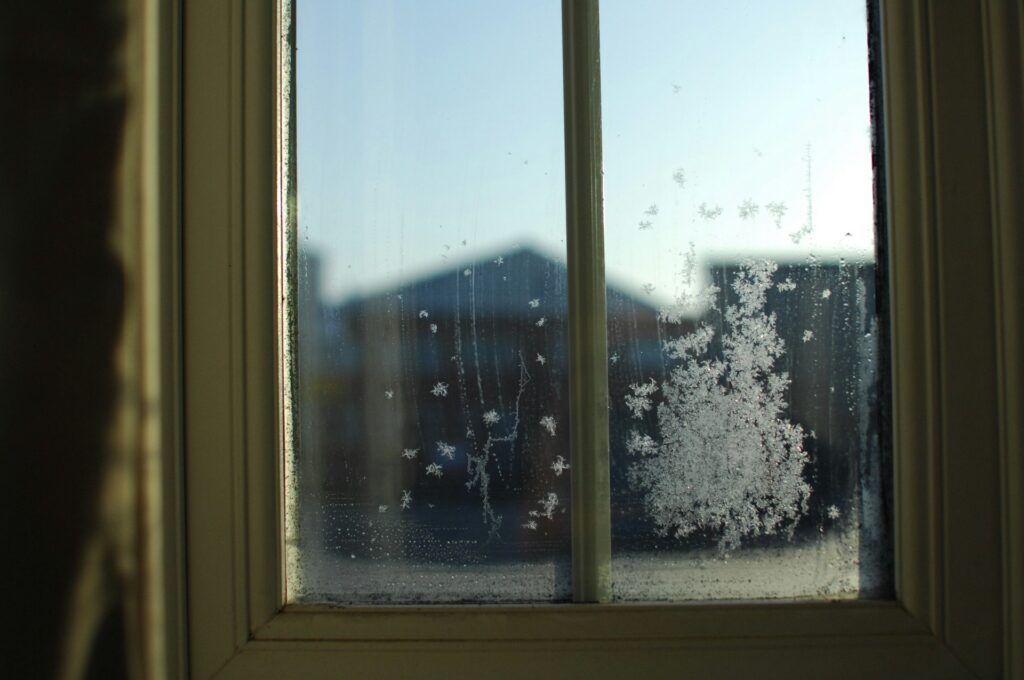
Proper insulation can keep the panes of your windows warmer, which is ideal in wintery conditions, as the fluctuations in temperature caused by ice build up can even crack the glass in extreme cases. A quick way to add an extra layer of insulation to your windows is by switching out your curtains and blinds for thicker versions, such as thermal curtains. However, these aren’t an ideal option for chillier days, because although you will keep more heat in the room, you will be blocking that much-needed sunlight.
Energy saving window film helps to minimise heat transfer by reflecting and dispersing heat back into the room, which is particularly useful in larger commercial buildings that have a lot of windows and lose a significant amount of heat that way. These window films create an extra layer of insulation by sealing in the air and preventing draughts from getting in, meaning your property will stay at a more comfortable working temperature. You won’t have to rely on central heating as much as a result, which can lead to major savings on your energy bills – plus, in warmer months, solar window films help to keep your property cooler.
Work with the Window Film Experts
OVAGLAS specialises in the supply and installation of window films, working with clients around the globe to improve the performance of their windows. If you’d like to find out more about how we can work with you, or have any questions about our products, we’d be happy to help.
.svg)


